Industrial facilities using machining centers, grinding machines, or high-speed milling systems depend on coolants and lubricants that remain stable, clean, and free of suspended metal particles. When ferromagnetic debris accumulates in a circulating liquid, both tool life and product quality decrease rapidly.
Magnetic separators and electromagnetic filters provide an effective way to protect these fluids by removing metallic impurities directly from the flow. Their operating principle relies on a strong magnetic field that attracts steel and iron particles, pulling them out of the coolant stream before they can cause abrasive damage. This process supports the cleaning of liquids from magnetic contaminants, enabling production lines to maintain precision, reduce maintenance intervals, and operate with higher overall stability.
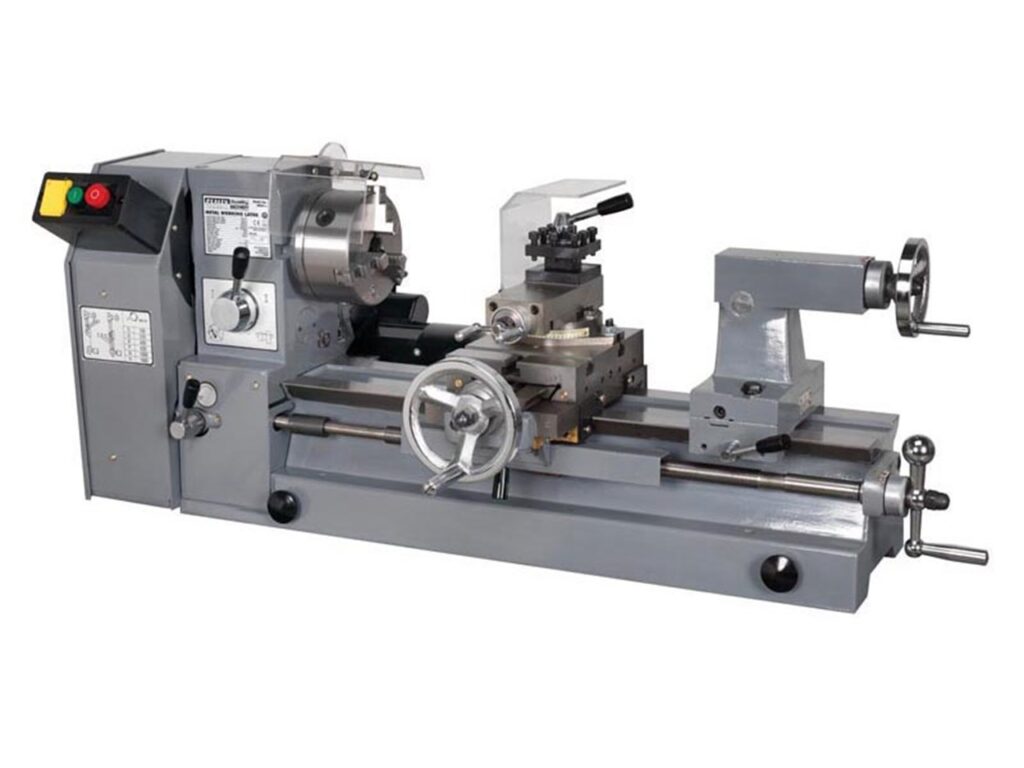
How Magnetic Separators and Electromagnetic Filters Work
A magnetic separator typically uses permanent magnets arranged in a configuration that maximizes exposure to the liquid stream. As coolant passes through the device, fine and coarse ferromagnetic particles are captured on the magnetized surface and held there until the cleaning cycle is performed. The simplicity of this mechanism makes it highly reliable and energy-efficient, since no external power is required to maintain the magnetic field. In contrast, an electromagnetic filter uses coils that generate an adjustable magnetic field, allowing operators to tailor the filtration intensity to specific technological demands. By controlling the strength of the electromagnets, the system can respond to changes in particle size, flow rate, or contamination level, making it suitable for applications that require variable operating parameters. Both approaches substantially extend coolant life and contribute to improved machining accuracy.
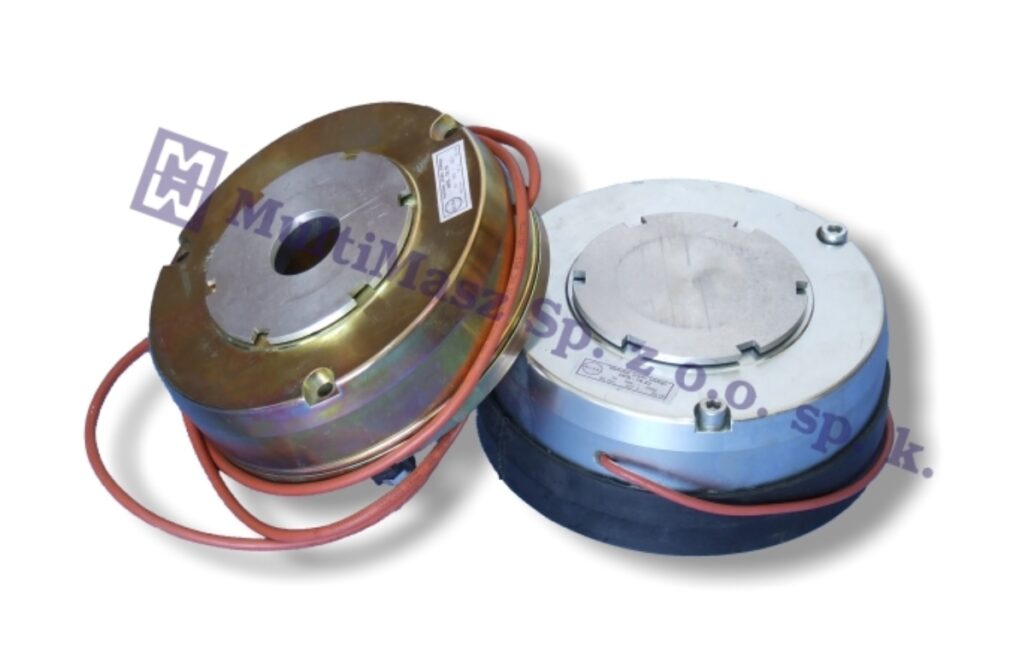
Operational Reliability and the Importance of Proper Maintenance
Industrial companies focusing on optimal workflow understand how crucial it is to keep coolant systems free from metal debris. Efficient filtration directly influences machine longevity and product surface quality. That is why many facilities rely on automated separators and advanced electromagnetic filters that maintain stability even during extended production cycles. In technical practice, improved coolant life, reduced pump wear, and fewer machining defects are frequently linked to solutions that support the cleaning of liquids from magnetic contaminants, because this process protects every component involved in fluid circulation. By investing in robust filtration equipment and maintaining it correctly, manufacturers secure consistent performance, minimize unplanned downtime, and ensure that machines operate smoothly across a wide range of industrial applications.